Ethical Baby Products in South Africa: A Comprehensive Guide for Conscious First-Time Parents
Ethical Baby Products in South Africa: A Comprehensive Guide for Conscious First-Time Parents
South Africa has dozens of small businesses making ethical baby products—from organic cotton clothing makers in Cape Town to wooden toy workshops in Johannesburg. As a first-time parent looking for sustainable options, you can support local retailers and small businesses that care about quality, safety, and the environment.
Understanding Ethical Baby Products in the South African Context
Ethical baby products aren't just marketing speak. They involve a complete approach to production that includes:
- Sustainable materials
- Fair labour practices
- Low environmental impact
- Safe manufacturing processes
Why Ethical Baby Products Matter in South Africa
Recent data shows a shift in what parents want:
- 73% of South African millennial parents prefer eco-friendly baby products
- Over 60% of SA parents read product labels carefully for chemical content
- The sustainable baby product market is growing by 15% annually
Benefits of Choosing Local Ethical Baby Products
1. Supporting the Local Economy
When you buy from South African artisans and small businesses:
- Money stays in local communities
- You create jobs and support entrepreneurs
- You strengthen our national economy
2. Reducing Environmental Impact
Local ethical baby products have real environmental benefits:
- Much lower transportation emissions
- Smaller carbon footprint than imported alternatives
- More transparent production processes
3. Better Quality and Transparency
Local manufacturers often give you:
- Direct access to production information
- The chance to meet the makers
- Higher accountability for product standards
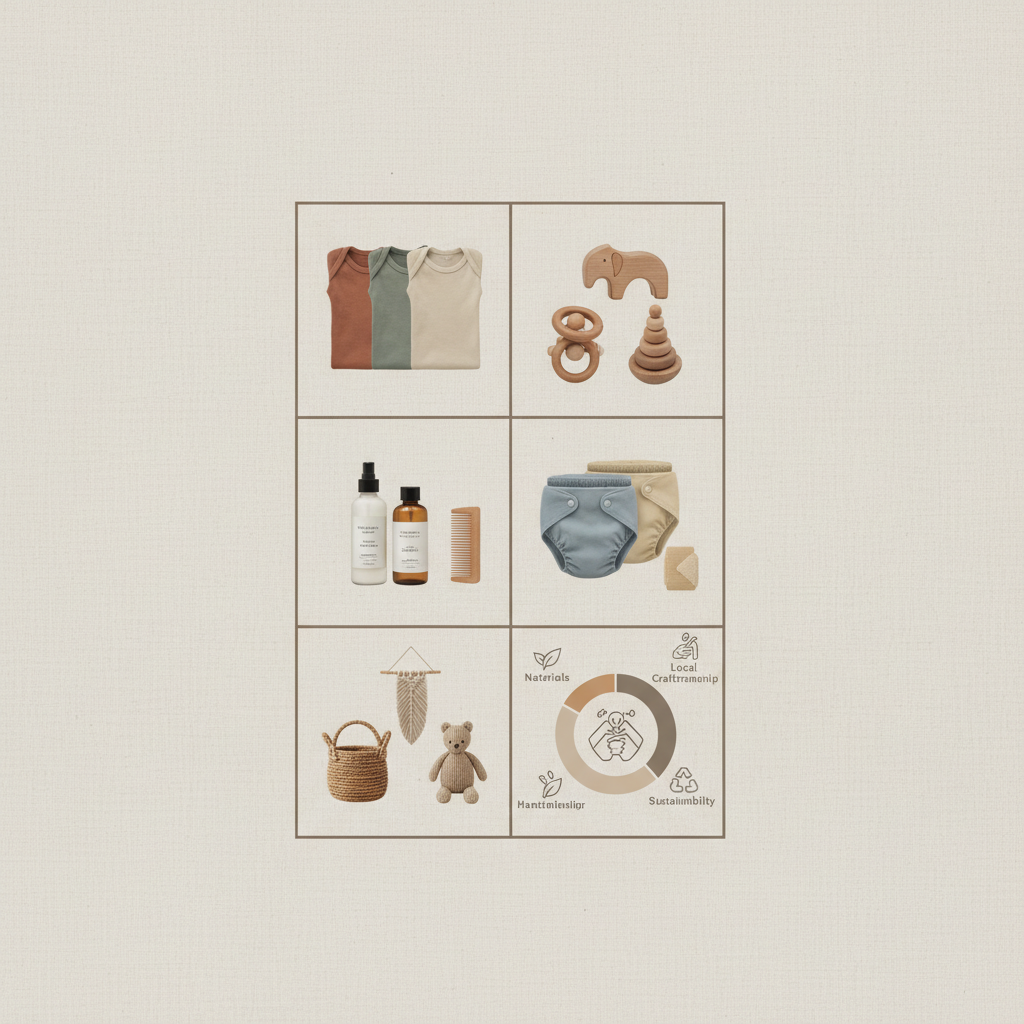
Categories of Ethical Baby Products in South Africa
Organic Clothing and Textiles
Brands like Green Beans Baby make:
- 100% organic cotton clothes
- Products with transparent supply chains
- Gentle fabrics perfect for newborn skin
Handcrafted Wooden Toys
Local woodworkers create:
- Toys from sustainable timber
- Products with non-toxic finishes
- Potential heirloom pieces
Natural Skincare and Baby Care
South African brands use indigenous ingredients like:
- Rooibos
- Marula oil
- African potato extract
We recommend:
- Little Seed (Cape Town)
- Nuli Naturals
Eco-Friendly Cloth Nappies
Local manufacturers offer:
- Cost savings (up to R30,000 over nappy-wearing years)
- Less landfill waste
- Adorable designs
How to Spot Genuine Ethical Baby Products
Certification Checklist
-
Look for recognized standards:
- GOTS (Global Organic Textile Standard)
- Fair Trade SA
- Local eco-labels
-
Research how transparent the brand is
-
Check where materials come from
-
Read reviews from local parents
-
Ask direct questions about how products are made
Budget-Friendly Ethical Baby Shopping Tips
- Buy quality over quantity
- Focus on items that touch baby's skin
- Look at pre-loved ethical products
- Calculate cost-per-use
- Use baby registries strategically
Best Cities for Ethical Baby Products
Cape Town
- The artisan capital for baby products
- Brands like BaoBub use 100% local cotton
Johannesburg
- Growing number of sustainable baby boutiques
- Brands like Little Earth make eco-conscious accessories
Durban
- Growing eco-conscious parenting community
- More local ethical baby product options opening
Final Thoughts
Choosing ethical baby products in South Africa is more than shopping—it's about conscious parenting, supporting local businesses, and creating a sustainable future for your child.
Picking ethical baby products might feel overwhelming at first. But remember: every thoughtful choice matters. Start where you can, keep learning, and celebrate the impact of your decisions.
Ready to explore South Africa's amazing world of ethical baby products? Your baby—and our local economy—will thank you! 💚
Frequently Asked Questions
Are ethical baby products more expensive? Not always. Many local options are competitively priced when you consider how long they last and their quality.
How can I verify a brand is actually local? Research where they manufacture, ask direct questions, and look for transparent information about their production.
Can I mix ethical and regular items on my registry? Absolutely! Sustainable parenting is about progress, not perfection.
Target Keywords: Ethical Baby Products South Africa, Sustainable Parenting SA
Baba Bloom Team
Author