Handmade vs Mass-Produced Baby Products: A Comprehensive Guide for South African Parents
Handmade vs Mass-Produced Baby Products: A Comprehensive Guide for South African Parents
Why South African Parents Are Choosing Handmade Baby Products
Building your baby registry? The handmade versus mass-produced debate isn't as simple as it looks. Handmade baby products from South African artisans have some real advantages—quality craftsmanship, cultural heritage, and the chance to support your local community directly.
Understanding Handmade Baby Products in South Africa
What Defines a Handmade Baby Product?
Handmade products in South Africa are created by individual artisans using traditional techniques:
- Made one at a time by skilled craftspeople
- Often include cultural heritage elements
- Created with careful attention to detail
The Growing Market of Artisan Baby Items in South Africa
Here's what the numbers tell us:
- 37% of South African parents prefer locally made handmade baby products
- The market grows about 12% each year
- More parents are choosing local craftsmanship and want to support their communities
Advantages of Choosing Handmade Baby Products
Key Benefits of South African Artisan Baby Items
-
Better Materials
- Natural fabrics
- Organic cotton
- Sustainable local materials
-
Custom Options
- Made to fit your baby
- Choose your colors
- One-of-a-kind pieces
-
Built to Last
- High-quality construction
- Direct contact with makers
- Support for local families
Strategic Shopping: When to Choose Handmade vs Mass-Produced
Buy Handmade For:
- Special occasion outfits
- Coming-home outfits
- Nursery decorations
- Wooden toys
- Natural skincare products
Buy Mass-Produced For:
- Safety-certified car seats and high chairs
- Medical equipment like thermometers
- Electronic monitors
- Basic onesies and sleep suits
- Budget basics you'll replace frequently
Product Category Breakdown
Clothing and Textiles
Go handmade for:
- Christening gowns
- Memory book items
- Special photos and events
Go mass-produced for:
- Daily basics
- Sleep suits (you need many)
- Play clothes that get messy
Nursery and Decor
Handmade works well for:
- Wall art with baby's name
- Custom mobiles
- Throw pillows
Mass-produced makes sense for:
- Cots and changing tables
- Safety-certified furniture
- Storage bins and organizers
Toys and Development
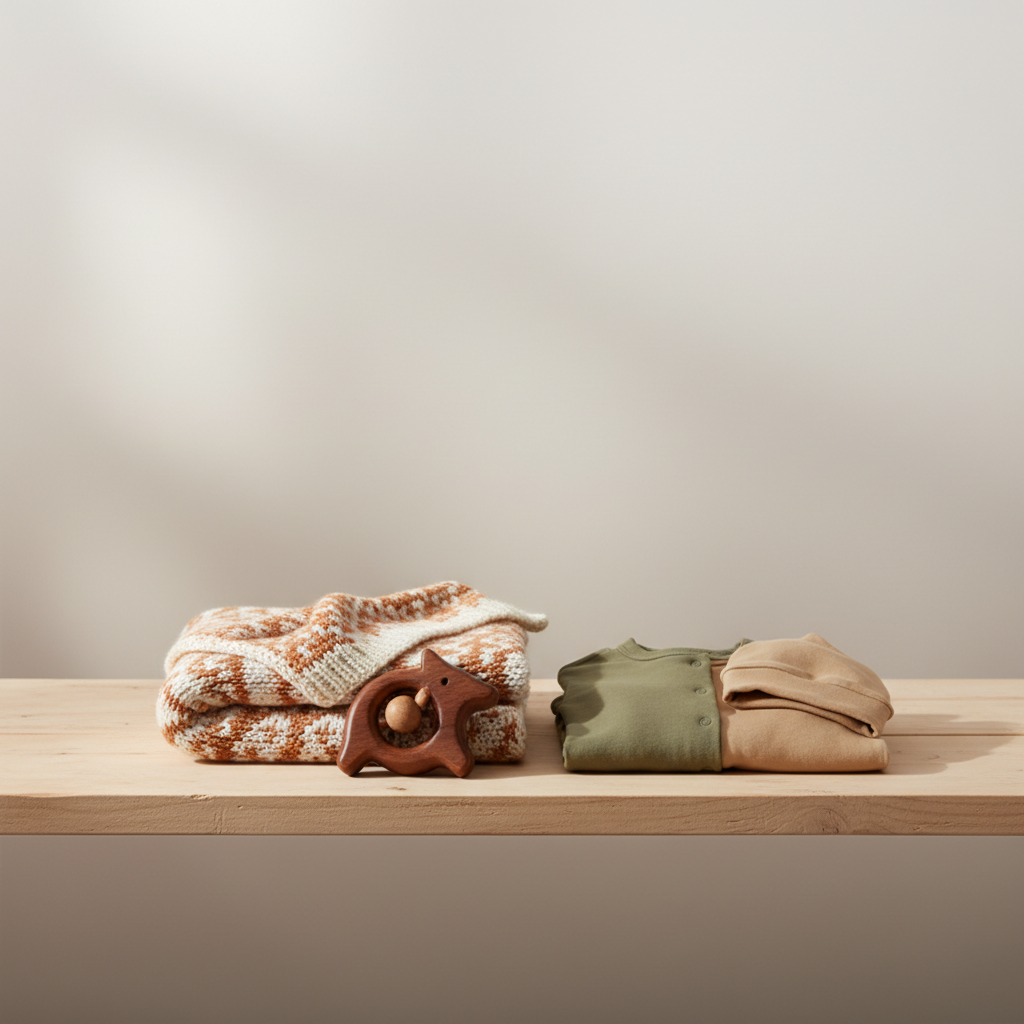
Handmade shines for:
- Wooden rattles
- Soft fabric toys
- Natural teething rings
Mass-produced is better for:
- Electronic learning toys
- Items that need batteries
Safety Considerations for Handmade Baby Products
Vetting Artisan Products
Before you buy, check:
- Look for proper labels
- Ask about materials used
- Check for non-toxic certifications
- Research the maker's background
- Know the return policy
Supporting Local Artisans Through Your Purchases
Economic Impact of Buying Handmade
When you buy handmade, you:
- Put money directly into local families' pockets
- Help create jobs in communities
- Keep traditional crafting skills alive
- Support money staying in South African communities
Building Your Registry
A Balanced Approach
I recommend:
- 30% special handmade pieces
- 70% practical daily-use items
- Price range from R150-R1,500
- Think about what might become family keepsakes
Frequently Asked Questions
[All existing FAQ section content remains unchanged]
Conclusion
Understanding handmade baby products in South Africa helps you build a registry that supports local artisans while meeting your family's real needs. Your purchasing choices matter—for your baby and for South Africa's crafting community. 💛
Key Takeaways
- Safety and quality come first
- Mix handmade and mass-produced strategically
- Support South African artisans when possible
- Choose items that will last
Target Keywords: handmade baby products, artisan baby items South Africa
Baba Bloom Team
Author