Eco-Friendly Nappies in South Africa: The Ultimate Guide for First-Time Moms
Eco-Friendly Nappies in South Africa: The Ultimate Guide for First-Time Moms
South African parents have great eco-friendly nappy options right at home—from locally made reusable cloth nappies to biodegradable disposables from SA brands. The best choice depends on your lifestyle, budget, and how you feel about doing laundry. Buying local has real perks: better customer service, easier returns, and you're supporting your community directly.
Why South African parents are switching to eco-friendly nappies
Here's a number that might shock you: We throw away about 3.5 million disposable nappies every day in South Africa. One baby goes through 4,000-6,000 nappies before potty training, and each one takes over 500 years to break down. That's enough to make any parent think twice.
What's driving the switch
- Parents worry about the environmental mess we're leaving behind
- More awareness about chemicals in regular nappies
- Local products have gotten way better
- You can actually save serious money
What the numbers tell us:
- 30% of South African millennial parents are considering eco alternatives
- The cloth nappy market is growing 12% each year
- Families can save R15,000-R25,000 over their child's nappy years
Understanding your eco-friendly nappy options in South Africa
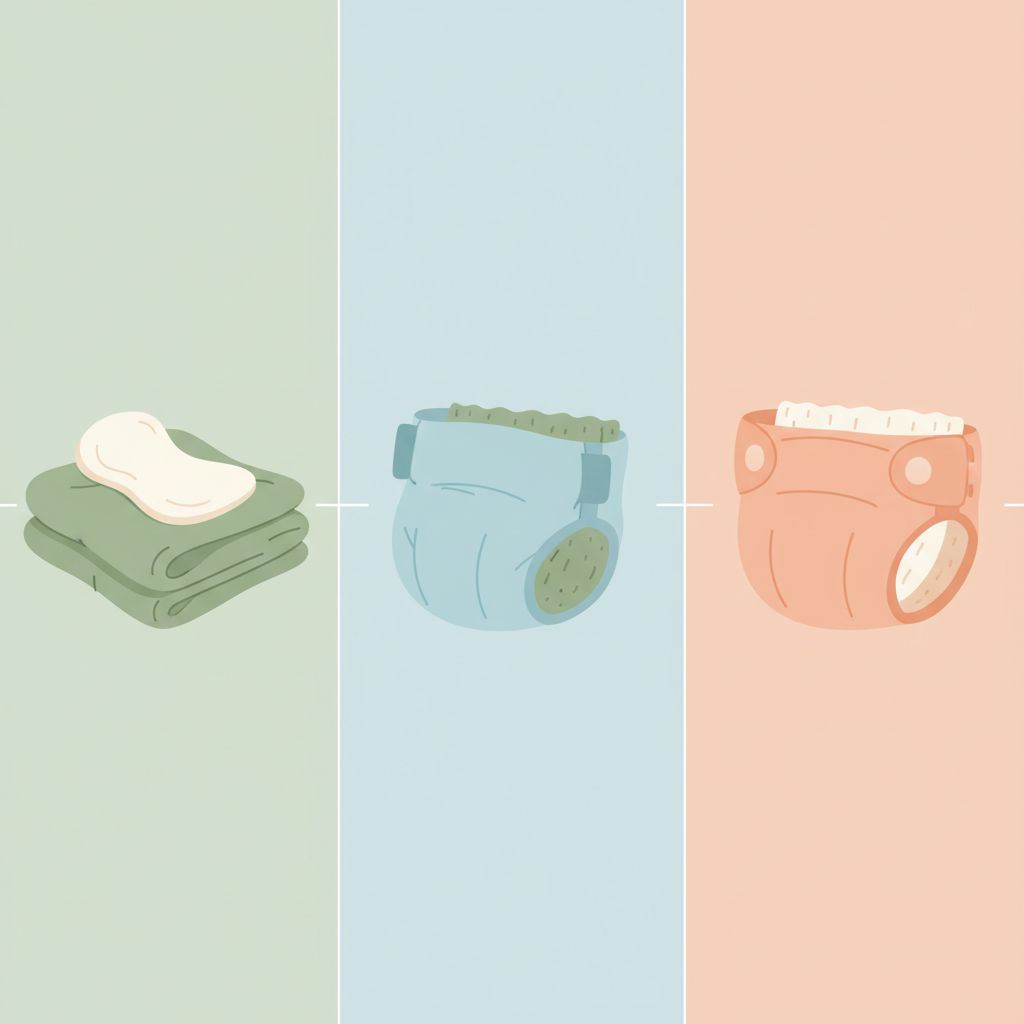
Your three main options
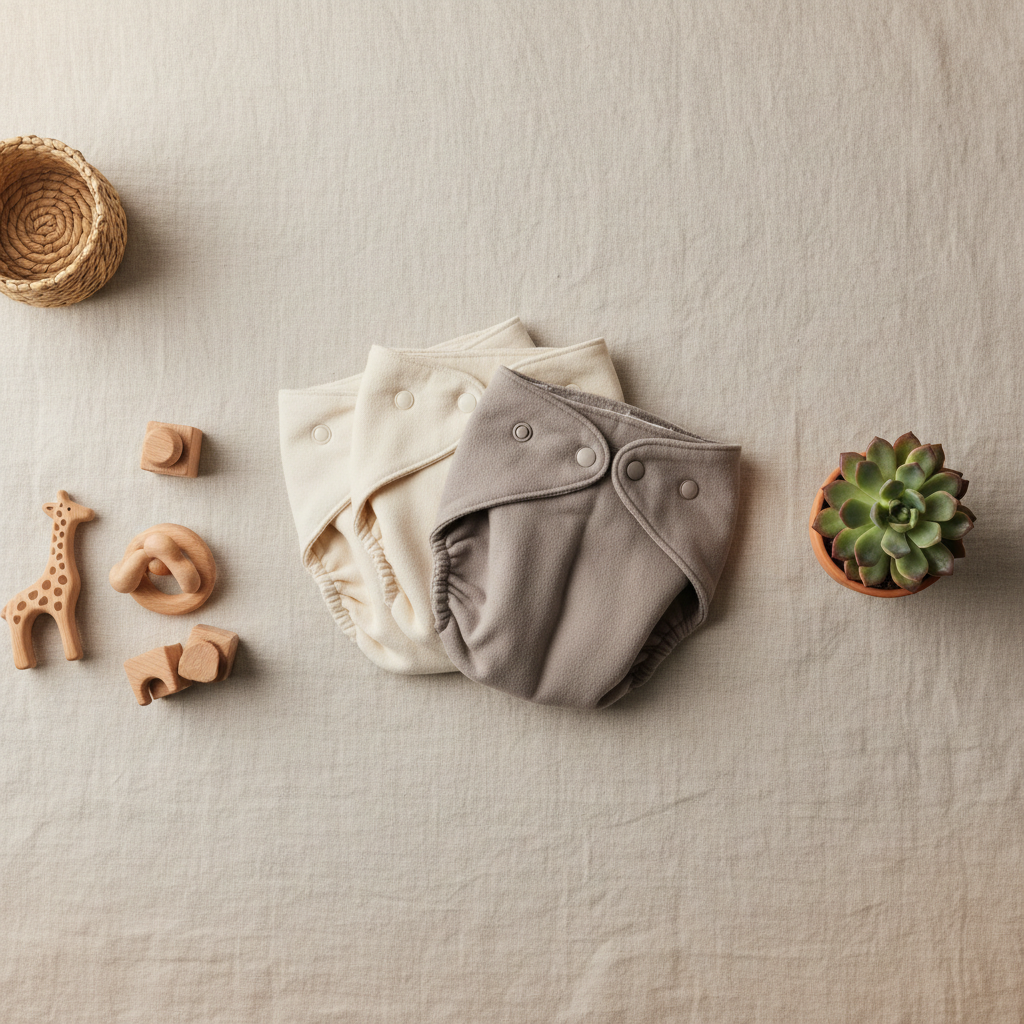
1. Modern cloth nappies These aren't your grandmother's terry cloth squares:
- Pocket nappies (stuff the insert yourself)
- All-in-ones (everything attached, just wash and go)
- Prefolds with covers (old school but budget-friendly)
2. Biodegradable disposables Made from plant-based materials that break down faster than regular nappies. Perfect if you want convenience without the guilt.
3. Hybrid systems Reusable covers with disposable or flushable inserts. Great for parents who can't decide between cloth and disposables.
Top South African cloth nappy brands compared
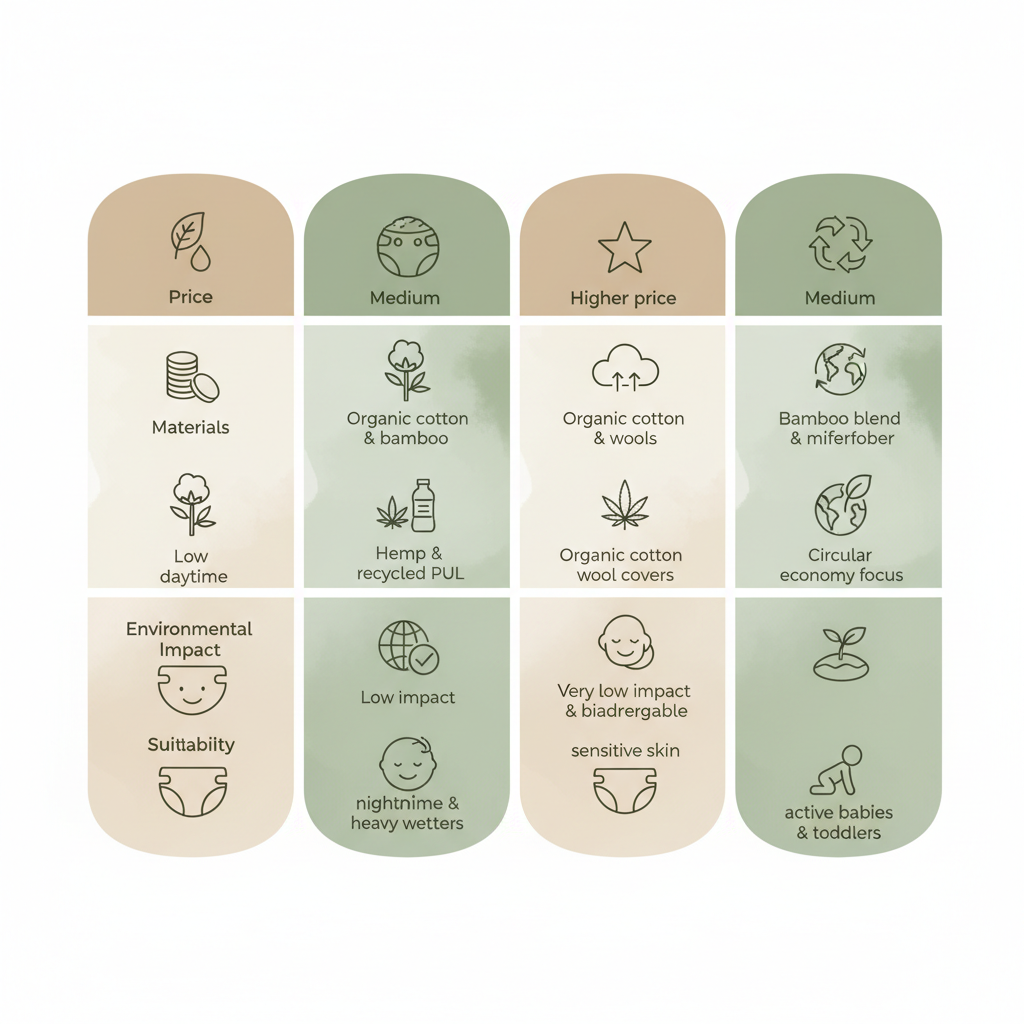
Local brands worth checking out
- Squshi: Makes organic bamboo nappies with clever adjustable sizing
- Biddykins: Popular modern cloth systems that actually work
- Sassy Pants: Locally made washable nappies with good reviews
- Cherub Cheeks: Sells starter kits that take the guesswork out
- EarthBaby SA: Keeps things simple with bundled solutions
What to look for
- Natural materials like bamboo or organic cotton
- Adjustable sizing (babies grow fast!)
- Easy to use (you'll be changing a lot of nappies)
- Quick drying (especially important with load shedding)
Biodegradable disposable options in South Africa
Brands with actual certifications:
- Bambo Nature
- Eco Diapers SA
- The Honest Company
The cost reality:
- Expect to pay 30-50% more per nappy than regular disposables
- Monthly budget: R800-R1,200
- Prices should come down as more brands enter the market
Making it work in real life
Setting yourself up for cloth nappy success
- Buy 20-24 nappies for a newborn (you'll wash every other day)
- Plan your wash routine around load shedding schedules
- Line drying works great in our climate
- Don't feel guilty about mixing cloth and disposables
Smart shopping tips
- Add different brands to your baby registry
- Use platforms that stock multiple brands
- Try starter packs before committing to one brand
- Get friends to go in on group gifts
Why buying local makes sense
- Customer support that actually understands SA conditions
- Returns that don't involve international shipping
- Your money stays in the community
- Local brands get our climate and challenges
Your burning questions answered
Q: How many cloth nappies do I actually need? A: Start with 20-24 for a newborn if you're washing every other day. If you're not sure about cloth, try 6-8 first.
Q: Are eco-disposables really better for the environment? A: They're better than regular disposables, but they're not magic. Look for proper certifications and brands that are honest about their environmental impact.
Pro tip: Every eco-friendly nappy you use makes a difference. Start wherever feels comfortable and build from there! 🌱
The bottom line
Choosing eco-friendly nappies in South Africa isn't just following a trend—it's about doing right by your baby, supporting local innovation, and not leaving such a massive mess for the next generation. You don't have to be perfect from day one. Even small changes add up to something meaningful.
Baba Bloom Team
Author