Safe Sleep Products: What South African Parents Need to Know About Infant Sleep Safety
Safe Sleep Products: What South African Parents Need to Know About Infant Sleep Safety
Setting up a safe sleep space for your baby comes down to three things: a firm, flat surface that meets South African safety standards, fitted sheets, and keeping the cot clear of extras. The baby product market is packed with sleep gadgets, but most are unnecessary—and some are dangerous. This guide will help you build a registry that puts your infant's safety first.
Why Safe Sleep Matters: The Stakes Are High
If you're a first-time parent, infant sleep advice can feel overwhelming. Your mom says one thing, your friend swears by another, and Instagram influencers are pushing products you've never heard of. It's confusing, and the stakes matter.
The South African Medical Research Council has sobering numbers: Sudden Infant Death Syndrome (SIDS) remains a leading cause of infant mortality. Around 3,500 infants die annually from sleep-related incidents in South Africa. That's a number that keeps every expecting parent awake at night.
The Gap in Sleep Safety Knowledge
A 2021 survey revealed something concerning:
- 62% of South African parents use traditional practices that may compromise infant sleep safety
- Only 35% consistently follow recommended cot safety standards
This isn't about judging anyone—it's about giving you clear, evidence-based information to protect your baby.
The ABCs of Safe Sleep: Your Essential Framework
South African health guidelines break infant sleep safety into three simple rules:
A – Alone
- Your baby sleeps in their own space
- Room-sharing is fine (baby in separate cot or bassinet)
- No sharing sleep surfaces with adults, siblings, or pets
B – Back
- Always put babies on their back to sleep
- The South African Paediatric Association backs this completely
- It dramatically cuts SIDS risk
C – Cot
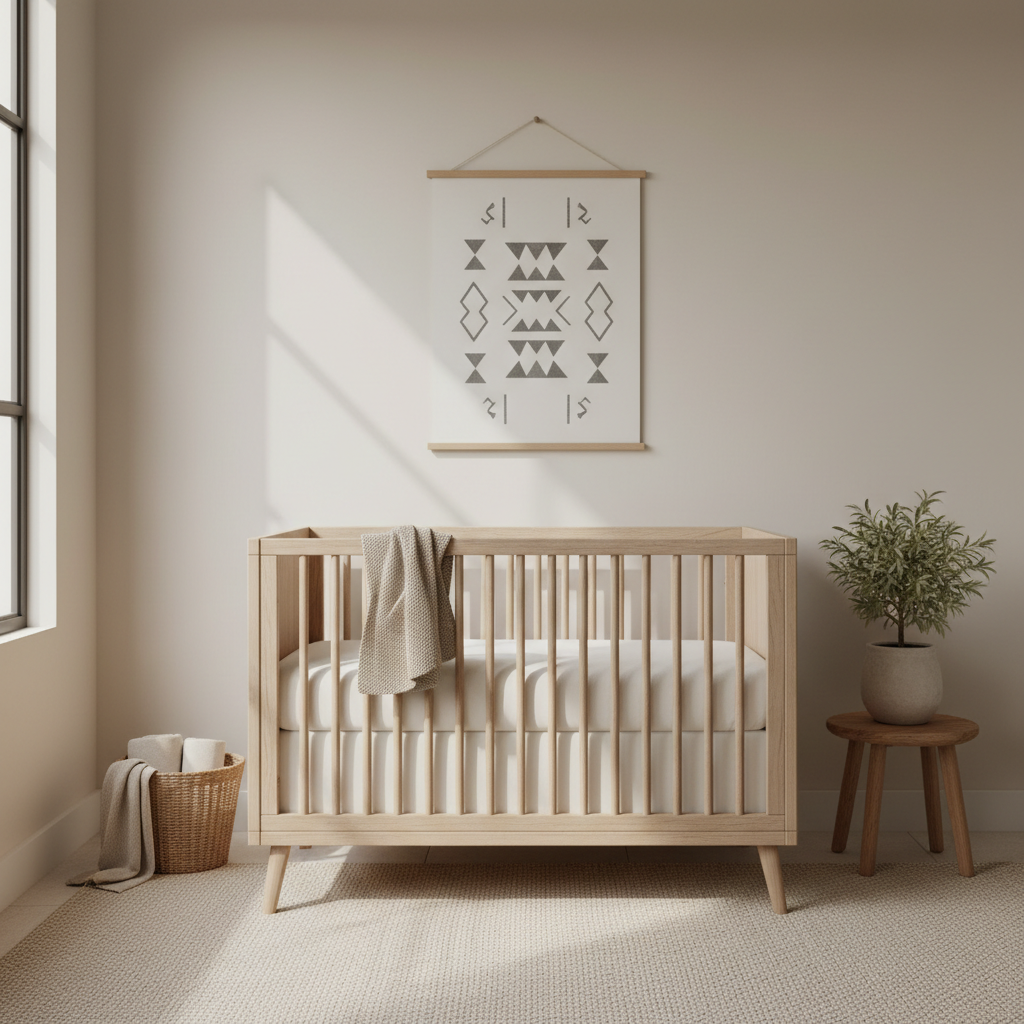
- Use a firm, flat surface that meets safety standards
- A proper cot or bassinet with a firm mattress
- No soft bedding, loose blankets, or pillows
What You Actually Need for Safe Sleep
1. A Certified Cot or Co-Sleeper
Look for these features:
- SABS (South African Bureau of Standards) certification
- SANS 1985 compliance
- Slat spacing between 50-85mm
- Secure hardware with no wobbly bits
- No decorative cutouts that could trap limbs
2. A Firm Mattress
Your mattress needs to be:
- Firm as a board (seriously—if it gives when you press it, it's too soft)
- Completely flat
- The exact size of your cot with no gaps around the edges
- Brand new (never buy a used mattress)
3. Multiple Fitted Sheets
- Get sheets that fit your mattress exactly
- Buy 3-4 so you always have clean ones
- Avoid anything loose or oversized
4. Sleep Sacks for Different Seasons
TOG ratings for South African weather:
- 0.5 TOG: Hot summer nights (24°C+)
- 1.0 TOG: Mild temperatures (21-24°C)
- 2.5 TOG: Winter nights (16-20°C)
5. A Baby Monitor (If You Want One)
- Audio monitors do the job fine
- Video monitors are popular but not necessary
- Skip movement-tracking devices—they often cause more anxiety than peace of mind
Products That Sound Good But Aren't Safe
These items get marketed as "safe" but pose real risks:
- Cot bumpers (suffocation risk)
- Sleep positioners (babies can roll into unsafe positions)
- Weighted sleep sacks (overheating and breathing issues)
- Dock-a-tots and similar products (not approved for unsupervised sleep)
- Pillows and loose blankets (suffocation hazards)
- Quilted cot liners (same issues as bumpers)
Safe Sleep in Different Seasons
Summer Strategy
- Keep the room between 18-22°C
- Use a 0.5 TOG sleep sack
- Dress your baby in just a nappy and light singlet
- A fan for air circulation is fine—just don't point it directly at the baby
Winter Strategy
- Layer clothing under the sleep sack instead of adding blankets
- Skip electric blankets completely
- Use a 2.5 TOG sleep sack for colder areas
- Remember that Johannesburg winters are different from Cape Town winters
Buying Second-Hand: What's Safe and What's Not
Always Buy New
- Mattresses (you don't know their history)
- Primary sleep surfaces
OK to Buy Used (With Inspection)
- Cots (check the manufacturing date and look up any recalls)
- Make sure all hardware is secure and there's no damage
Generally Safe Second-Hand
- Fitted sheets (wash them well first)
- Sleep sacks
- Baby monitors
- Room thermometers
Our Bottom Line
Ignore the marketing hype and stick to evidence-based safety. You need a proper sleep surface, appropriate bedding, correct positioning, and the right room temperature. That's it.
We know you want to do everything right for your baby. By understanding these safe sleep basics, you're giving them the best possible start.
Stay safe out there. 💛
Frequently Asked Questions
(Existing FAQ section remains unchanged)
Baba Bloom Team
Author